In recent years, the conversation around playtime has evolved significantly. The introduction of women toys highlights the importance of diversity in children's play experiences. These toys not only promote creativity but also empower young girls to embrace their identities. Each toy serves as a tool for exploration and expression, encouraging girls to envision their futures without limits.
Women toys are designed with care and intent. They reflect the aspirations and challenges faced by modern girls. From dolls that champion various careers to building sets that defy traditional gender roles, these toys foster agency. However, not all options in the market meet the expectations for educational and inclusive play. Parents often find themselves navigating a sea of choices, which can lead to confusion and mixed messages.
Understanding the impact of women toys on modern playtime is crucial. They should inspire and encourage girls to dream big while balancing authenticity and aspiration. It is vital to critically evaluate the messages embedded within these toys. Ultimately, the right choice can shape a girl's self-perception and ambitions for a lifetime.
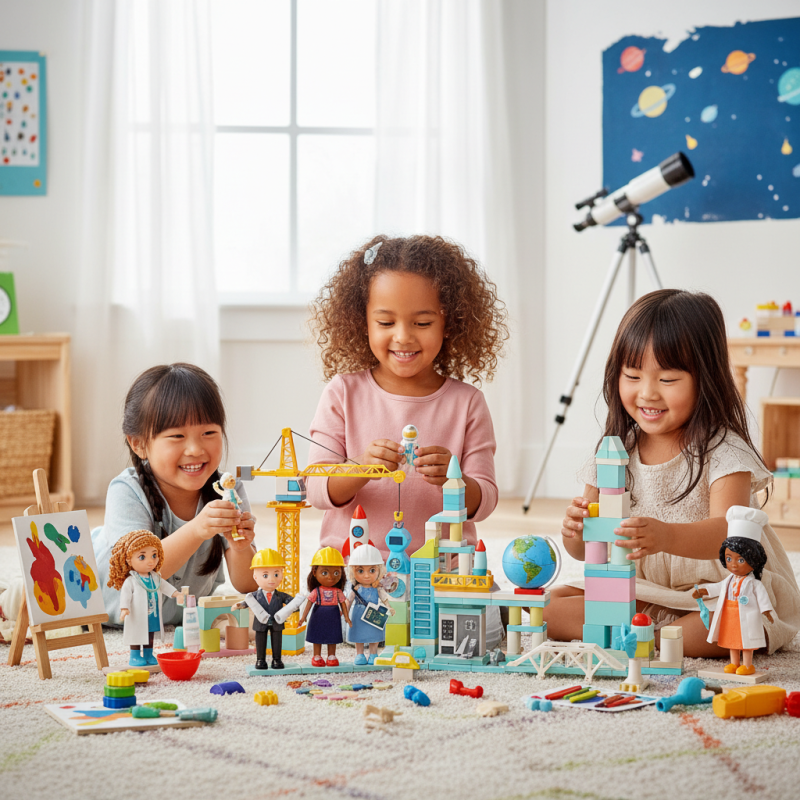
The evolution of women’s toys reflects societal changes and the growing recognition of gender equality. In the past, toys for girls often reinforced traditional roles, focusing on domestic activities. Dolls, kitchen sets, and makeup kits dominated the market. These items perpetuated the notion that a woman's place was in the home. Over time, however, attitudes began to shift.
Today, the landscape of women’s toys is broader and more diverse. Many toys encourage exploration and creativity. STEM-focused toys designed for girls are now available. These toys promote problem-solving and critical thinking. Young girls can build, code, and create in ways that were once deemed inappropriate. The aim is to inspire ambition and confidence. It's crucial to reflect on how toys impact young minds, shaping aspirations and self-image.
Despite progress, challenges remain. Some toys still lean towards stereotypical roles. This presents a dilemma for parents and educators. Are these toys empowering or limiting? The conversation continues, emphasizing the need for toys that truly reflect modern playtime values. Creating an inclusive environment benefits all children. The journey of women’s toys embodies a narrative of empowerment and innovation. As the industry evolves, so too must the messages conveyed through play.
| Toy Category | Typical Age Range | Popular Materials | Educational Benefits | Cultural Impact |
|---|---|---|---|---|
| Dolls | 2-12 years | Plastic, Fabric, Wood | Social Skills, Empathy Development | Representation of Diverse Cultures |
| Building Sets | 4-12 years | Plastic, Wood, Metal | Creativity, Spatial Awareness | Encouragement of STEM Interests |
| Arts & Crafts Kits | 3-15 years | Paper, Paint, Clay | Fine Motor Skills, Creativity | Encouragement of Self-Expression |
| Role Play Costumes | 3-10 years | Fabric, Synthetic Materials | Imagination, Social Interaction | Representation of Female Role Models |
| STEM Toys | 5-12 years | Plastic, Metal, Electronics | Problem Solving, Critical Thinking | Empowerment in STEM Fields |
: Women's toys have evolved from traditional roles to diverse options that promote exploration and creativity.
STEM-focused toys encourage problem-solving and creativity, allowing girls to build and code.
They shape aspirations and self-image, fostering ambition and confidence in children.
Yes, certain toys reinforce stereotypical roles, which can be a dilemma for parents and educators.
They empower children, fostering empathy, emotional intelligence, and self-expression.
Encourage children to create stories and set aside time for imaginative play to build social skills.
Exposure to strong female characters helps counteract stereotypes and broadens children’s understanding of gender roles.
Talking about the stories behind toys can open dialogues and deepen kids' understanding of equality.
They should consider if toys empower or limit their child's potential and aspirations.
Creating an inclusive play environment fosters growth and understanding for everyone involved.
The article "Why Are Women Toys Essential for Modern Playtime?" explores the significant evolution of women toys in contemporary society and their crucial role in encouraging gender inclusivity among children. As societal views shift, these toys have transformed, moving beyond traditional stereotypes to become tools that empower young girls, stimulate creativity, and foster a sense of identity.
Further, the psychological benefits of engaging with women-centric toys are highlighted, showing how they can enhance self-esteem and promote social skills. The cultural implications of these toys on child development are profound, as they help reshape norms and encourage diversity from a young age. Looking ahead, the future of women toys appears promising, reflecting a society increasingly aware of the importance of equality and representation in playtime. Thus, women toys are not just playthings; they are pivotal in shaping a more inclusive world.

 Secretme