Sourcing a safe and reliable Women Sexy Toy requires more than comparing prices or choosing attractive packaging. Buyers must examine materials, manufacturing standards, supplier records, and customer expectations. A product may look elegant online, yet feel rough, smell strongly, or fail after two uses. Those details matter.
Sex educator and author Dr. Laurie Mintz often reminds readers, “Pleasure is a skill.” This principle also applies to sourcing. A responsible buyer should select products that support comfort, personal choice, and informed use. Look for body-safe silicone, clear cleaning instructions, secure charging systems, and transparent product specifications. Request test reports when available. Check whether suppliers follow recognized quality procedures and local safety requirements. Avoid unsupported promises, such as guaranteed medical results or exaggerated performance claims.
The best sourcing process also considers real user experiences. Hold a sample. Inspect its seams, buttons, weight, and charging port. Read complaints, not only five-star reviews. Ask how defective units are handled. Privacy deserves attention too, including plain packaging and careful data protection. Suppliers should respect age restrictions and comply with the laws of every market they serve.
No checklist is perfect. A polished factory presentation can still hide weak oversight. A low-cost sample can become an expensive return problem. Even experienced buyers miss details. That is why supplier audits, product testing, and honest communication should continue after the first order. These ten practical tips will help businesses source Women Sexy Toy products with greater care, credibility, and long-term responsibility.
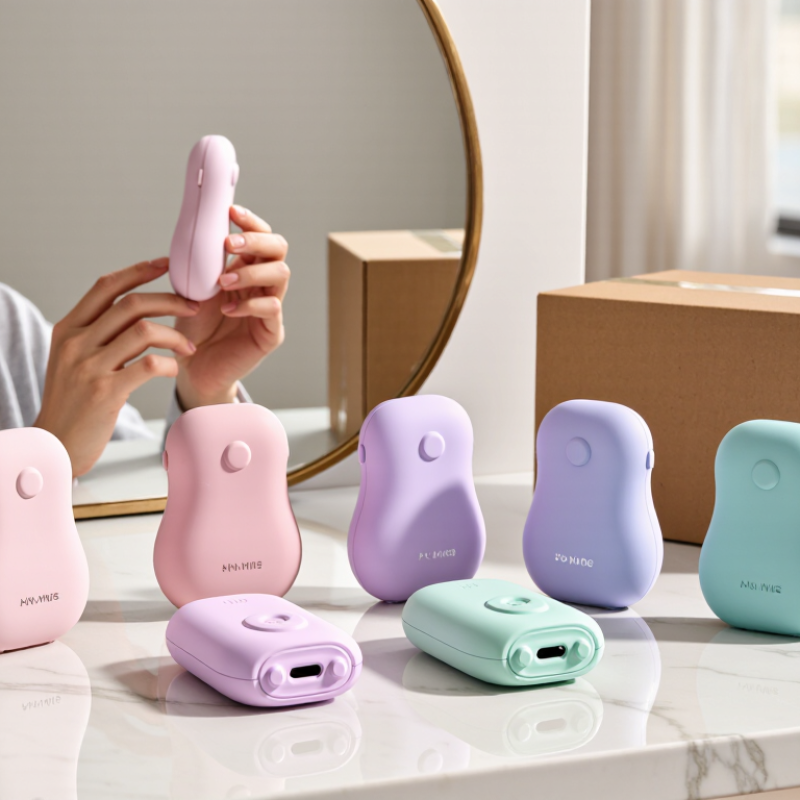
Grand View Research projects an 8.1% compound annual growth rate for the category from 2024 to 2030. This forecast signals rising demand for safer, more inclusive intimate wellness products. However, market reports can use different category definitions. Treat the number as a planning reference, not a guarantee.
Strong sourcing begins with product safety. Check body-safe materials, clear ingredient disclosures, and independent laboratory testing. Request batch records, quality-control procedures, and traceable factory information. Suppliers should support age-appropriate sales and comply with local product, advertising, and consumer-protection laws. Avoid suppliers making medical claims without credible evidence.
Design details matter. Look for smooth surfaces, secure charging ports, quiet operation, and clear cleaning instructions. Packaging should protect privacy and withstand warehouse handling. Ask about defect rates, replacement policies, lead times, and minimum order quantities. A small pilot order can reveal problems before large investment. It may feel slower.
Customer feedback should guide refinements, especially around comfort, sizing, controls, and accessibility. Do not collect unnecessary personal data. Review product photos carefully, because attractive samples may hide weak construction. Ethical sourcing also requires fair workplace standards and responsible material choices. I would not approve a supplier after one successful sample; repeated inspections are more convincing.
Sourcing should begin with material verification, not attractive packaging. ISO 3533:2021 covers safety requirements for intimate products, including materials, design, and labeling. Ask suppliers for the exact material composition, test method, and production lot.
FDA requirements need careful interpretation. The FDA does not generally approve intimate toys as one product category. Check whether materials meet relevant FDA food-contact provisions, such as 21 CFR 177.2600 for certain rubber articles.
Request migration, heavy-metal, phthalate, and skin-sensitization test reports from qualified laboratories. Reports should identify the tested sample, not only the factory. A sealed sample bag and matching lot number matter.
Grand View Research estimated the global sex toys market at approximately 33.64 billion dollars in 2023, with continued growth projected through 2030. That expansion can increase rushed purchasing and weak documentation. Do not treat market demand as proof of safety.
Review ISO 3533:2021 clauses with an experienced compliance specialist, and compare every claim against test evidence. I would also inspect seams, charging ports, odor, surface texture, and cleaning instructions by hand.
A product may pass paperwork yet feel poorly finished. That is an uncomfortable gap worth recording.
Sourcing women’s wellness toys requires more than checking product photos.
Audit each supplier through measurable operating data. Start with MOQ, then compare it with your launch forecast and storage budget. A low MOQ may hide higher unit costs or weak production planning. Ask for written terms, not verbal promises.
Lead time should include material purchasing, production, inspection, and shipping preparation. Request records from three recent orders. Compare promised dates with actual dispatch dates. Numbers expose weak suppliers.
Defect rate needs a clear definition, such as functional failures per 1,000 units. Review inspection reports and sample failed products when possible. Ask for evidence. A supplier reporting zero defects may lack honest tracking.
Capacity data should separate theoretical output from available monthly capacity. A factory may claim 50,000 units monthly, yet seasonal orders can reduce your allocation. Request production schedules, staffing levels, and equipment details. Check whether testing equipment is calibrated and whether batch records are complete.
My first supplier audit focused too heavily on price. That mistake caused delays and extra inspection costs. I still consider a transparent supplier with a moderate MOQ safer than a cheap supplier with unclear data.
However, capacity figures can change quickly. Recheck them before each major purchase order, especially when product materials or packaging change. Keep audit notes, corrective actions, and approval dates in one controlled file. That creates a practical record for purchasing decisions and future reviews.
10 Tips for Sourcing Women Sexy Toys?
Verify Privacy and Claims Under GDPR and FTC Advertising Standards
Privacy should be checked before product price. Under GDPR, data revealing sexual activity may qualify as sensitive personal data. Ask suppliers whether their apps collect names, email addresses, location, usage records, or intimate preferences. Request a clear retention schedule. Data should be encrypted during transfer and storage. Supplier contracts should define deletion duties, access controls, and breach reporting. A practical audit can include a sealed sample, privacy notice, and test account. Small details matter.
Cisco’s 2024 Data Privacy Benchmark Study reported that 94% of organizations believe customers will not buy when data protection is inadequate. That risk is serious for connected intimate products. Check whether consent is specific, optional, and easy to withdraw. Avoid suppliers that quietly reuse data for advertising. GDPR documentation should also explain international transfers and processor responsibilities. A spreadsheet helps. It can still miss human error.
Claims need equal discipline. FTC advertising guidance states that health-related claims require competent and reliable scientific evidence. Terms such as “clinically proven,” “pain relief,” or “hormone balancing” need credible support, not supplier testimonials. Ask for study methods, participant numbers, limitations, and approval records. Do not accept vague certificates. Test material safety, instructions, and warning labels through qualified professionals. The FTC’s Consumer Sentinel Network Data Book 2023 recorded more than 5.4 million consumer reports, showing how quickly complaints can become visible. Recheck every claim before publishing. Sometimes, the safest wording is less impressive.
When sourcing women’s intimate toys, compare samples with evidence, not attractive packaging. Request an ASTM testing plan before approving production. ASTM is not one universal certification for these products. Ask which standards apply to materials, electrical parts, batteries, and packaging. Confirm the laboratory’s accreditation, test date, sample identification, and complete report. A silicone sample may pass a material safety test, yet fail odor, labeling, or electrical checks.
Keep a comparison sheet for every supplier. Record surface finish, hardness, charging time, noise, dimensions, and stated material. Photograph each sample beside a ruler. Save invoices and test documents. Small differences matter. For powered products, review overheating results, charging protection, and water-resistance claims. Do not trust a waterproof label without a defined test method and usage limit. That detail is often missing.
Warranty terms reveal the supplier’s confidence. Check coverage periods, excluded defects, response times, and replacement procedures. Then request anonymized return-rate data from recent orders. Separate manufacturing defects from preference-based returns and shipping damage. A low return rate can mislead if complaints are poorly recorded. I would also inspect ten to twenty units from one batch, not just one perfect sample. My own sourcing framework would improve by weighting long-term failure data more heavily. Initial samples can hide weak buttons, loose seals, or fading surfaces. Choose the supplier whose records are clear, repeatable, and aligned with destination-market requirements.
It signals possible demand growth from 2024 to 2030. Treat it as a planning reference, not a promise.
Request material composition, laboratory reports, batch records, quality procedures, and traceable factory details. “Body-safe” alone proves little.
Review ISO 3533:2021 and relevant local requirements. Check applicable food-contact provisions for certain rubber materials.
Request migration, heavy-metal, phthalate, and skin-sensitization reports. Each report should identify the tested sample and production lot.
Compare the sealed sample, lot number, photos, and factory records. Inspect seams, odor, texture, and charging ports by hand.
Look for smooth surfaces, secure charging ports, quiet operation, and clear cleaning instructions. Small flaws can become frequent complaints.
A small order can reveal defects, delays, packaging damage, or inconsistent materials. It may feel slower. That is sometimes wiser.
Ask about defect rates, replacements, lead times, minimum quantities, and warehouse-ready packaging. Attractive samples may hide weak construction.
Track comfort, sizing, controls, accessibility, and cleaning concerns. Avoid collecting unnecessary personal data.
No. Repeated inspections provide stronger evidence. I would still record uncomfortable gaps and review them carefully.
Sourcing a Women Sexy Toy responsibly starts with defining the product category and understanding its commercial potential, including the projected 8.1% market CAGR from 2024 to 2030. Buyers should prioritize body-safe, durable materials and request documentation showing alignment with ISO 3533:2021 principles and applicable FDA safety requirements. A structured supplier audit should review minimum order quantities, lead times, production capacity, quality-control procedures, and historical defect rates to reduce supply-chain risks.
Before placing an order, verify that product descriptions, performance claims, packaging, and customer-data practices support GDPR privacy expectations and FTC advertising standards. Comparing samples is equally important: assess construction, comfort, labeling, packaging, and test results based on relevant ASTM methods. Finally, examine warranty terms, customer support, and return-rate data to evaluate long-term reliability. This practical process helps purchasers select compliant, consistent, and user-focused products while protecting customer trust and maintaining responsible sourcing standards.

Secretme